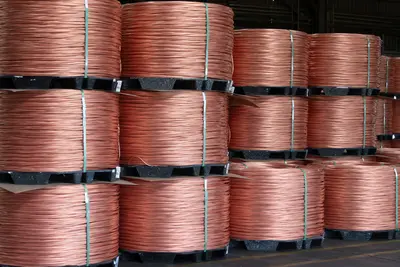
Copper wire is often called the "nervous system" of our modern world, and for good reason. It is the essential thread that connects our homes, businesses, and technologies. As we move toward a future defined by electricity rather than fossil fuels, copper has become more than just a metal - it is a strategic resource that powers the global transition to a sustainable economy.
Today, the demand for copper is accelerating across several key industries. The automotive sector is a major driver, as electric vehicles require significantly more copper for their batteries and motors than traditional cars. At the same time, the shift toward renewable energy is fueling massive growth. Wind turbines and solar farms require vast networks of copper cabling to deliver clean power to our grids. Beyond energy, the rise of 5G telecommunications and massive data centers ensures that our digital lives remain fast and connected through high-quality copper circuitry.
Globally, these trends are creating a significant shift in the market. As nations work to meet climate goals and modernize their infrastructure, copper has become a barometer for economic growth. This rising demand puts immense pressure on manufacturers to produce copper rod more efficiently. It is no longer enough to simply produce more. The focus has shifted to producing high-quality material while minimizing energy use and costs.
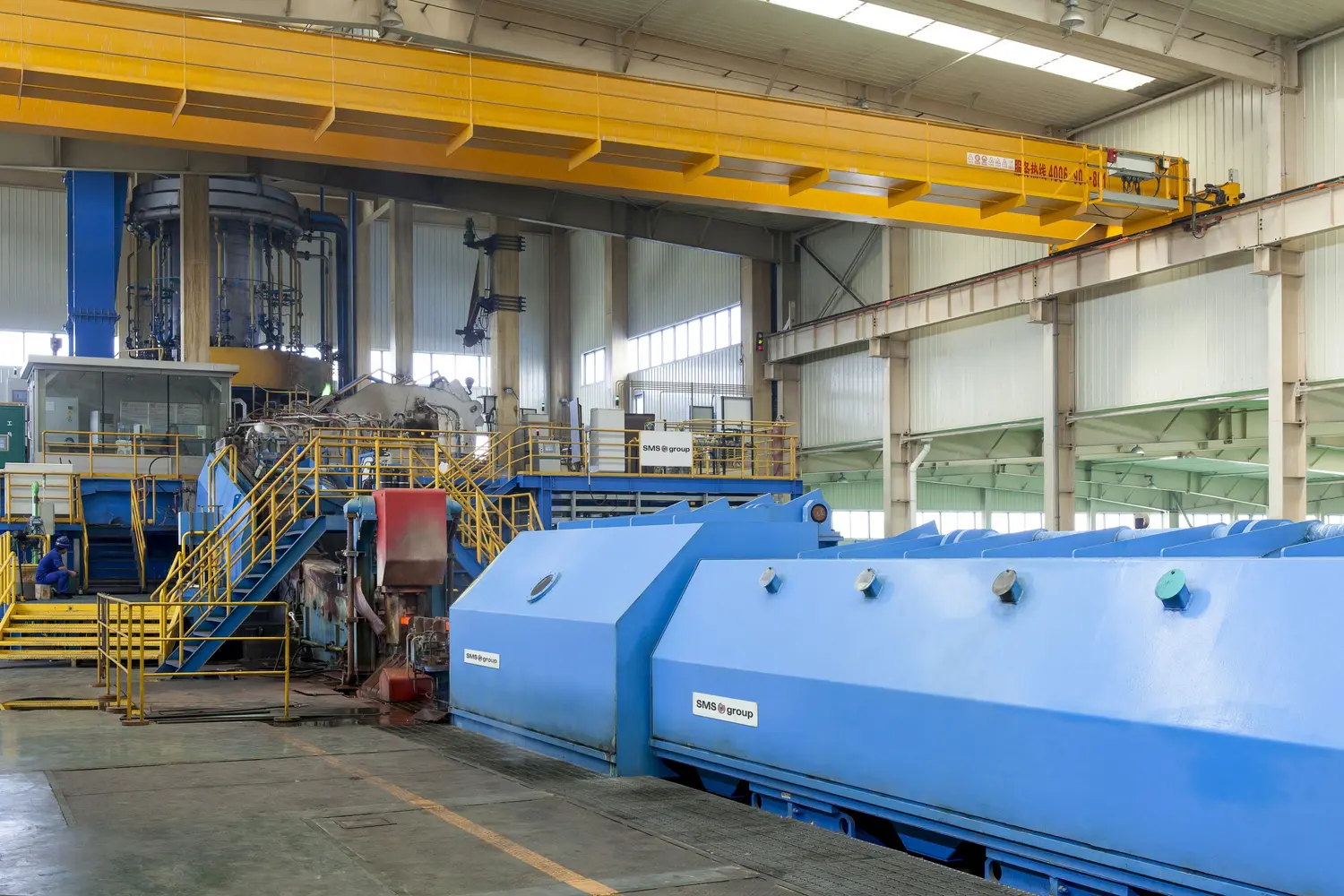
This is where the latest technical advancements in production plants, like the CONTIROD® copper wire rod line by SMS group, become vital. Since the melting process alone accounts for a major part of a plant's energy consumption, optimizing the furnace is the most effective way to meet the world's growing hunger for copper sustainably.
Optimized material distribution and furnace geometry
The efficiency of the melting process depends on how effectively the furnace transfers energy to the copper. Traditionally, copper cathodes are stacked uniformly, which can block heat from reaching the center of the pile. To solve this, SMS group introduced a specialized charging insert into the elevator system. Rather than stacking the plates neatly, this insert feeds them into the furnace with a “calculated randomness”. This disordered distribution is a technical breakthrough because it increases the furnace charge density while making the material column more porous. These gaps allow hot combustion gases to circulate more freely, significantly improving heat transfer. The result is a faster, more even melt that reduces both gas consumption and operational costs.
To further improve the process, SMS group developed a patented conical refractory lining. Unlike traditional cylindrical designs, the diameter of this lining gradually increases from top to bottom. This geometry is specifically designed to minimize friction and prevent "material hang-ups," where cathodes become wedged or stuck in the shaft.
In practice, operators often clear hang-ups by manually boosting the burner power to force a melt-through. This 'quick fix' comes at a high price: it leads to significant energy waste and unnecessary thermal stress on the furnace lining.
Beyond internal geometry, the physical scale of the furnace also plays a vital role in efficiency. For existing "brownfield" installations, the furnace height can be extended - often from 10 to 12 meters. This expansion increases the volume available for preheating the cathodes, allowing them to stay in the preheating zone longer and absorb more energy before reaching the melting phase. This modification alone can result in energy savings exceeding 10%.
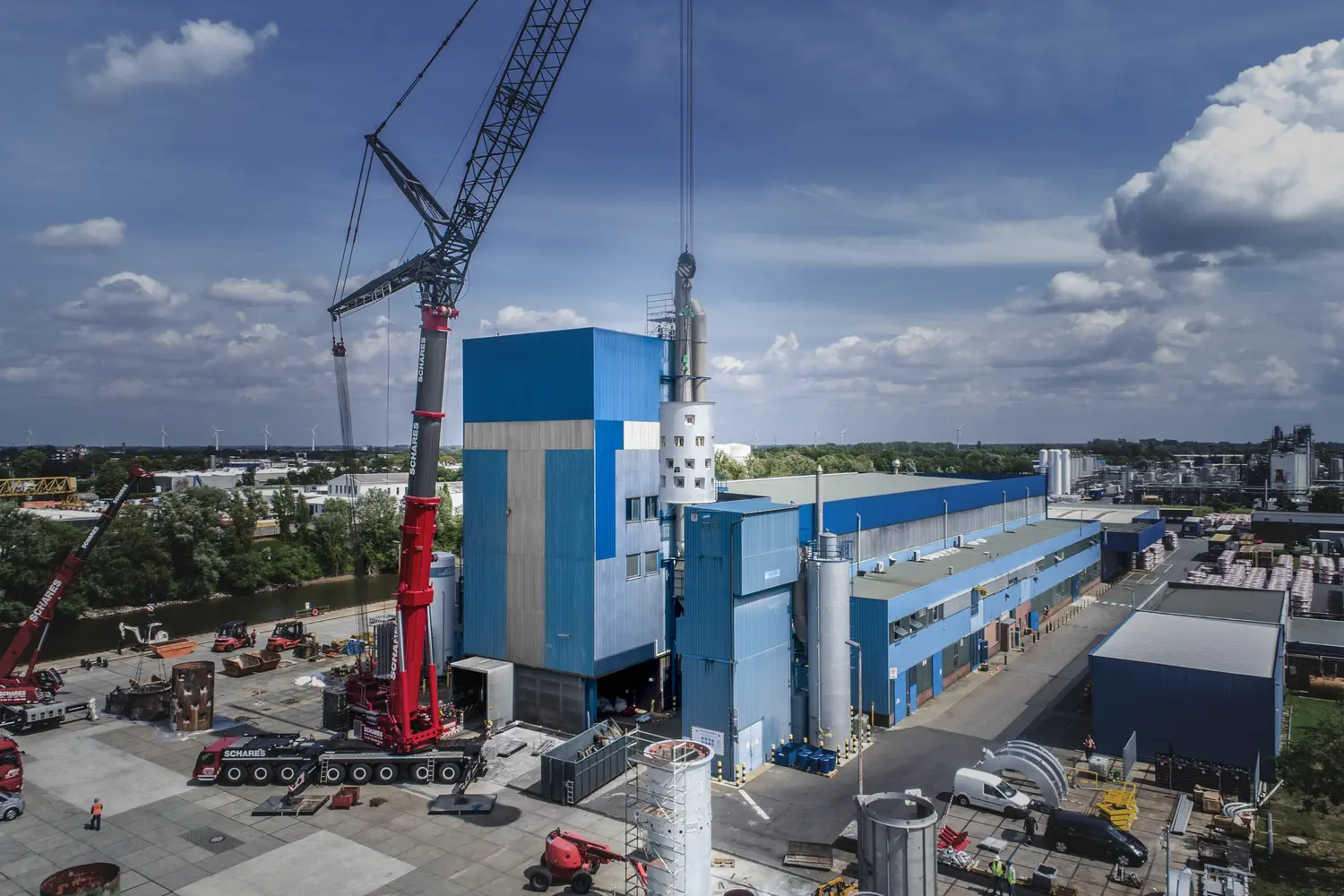
Precision combustion: The BB1000 gas burner
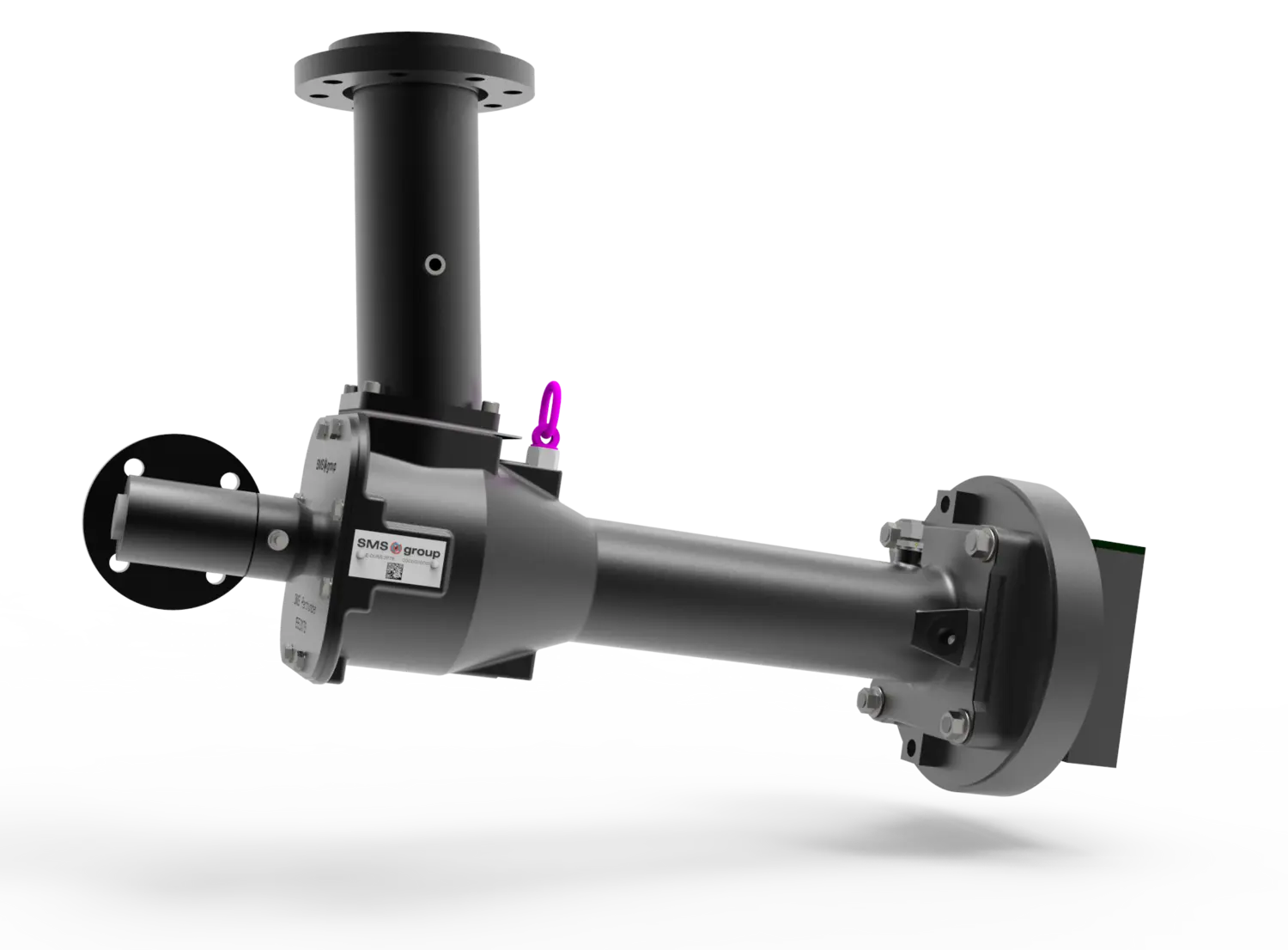
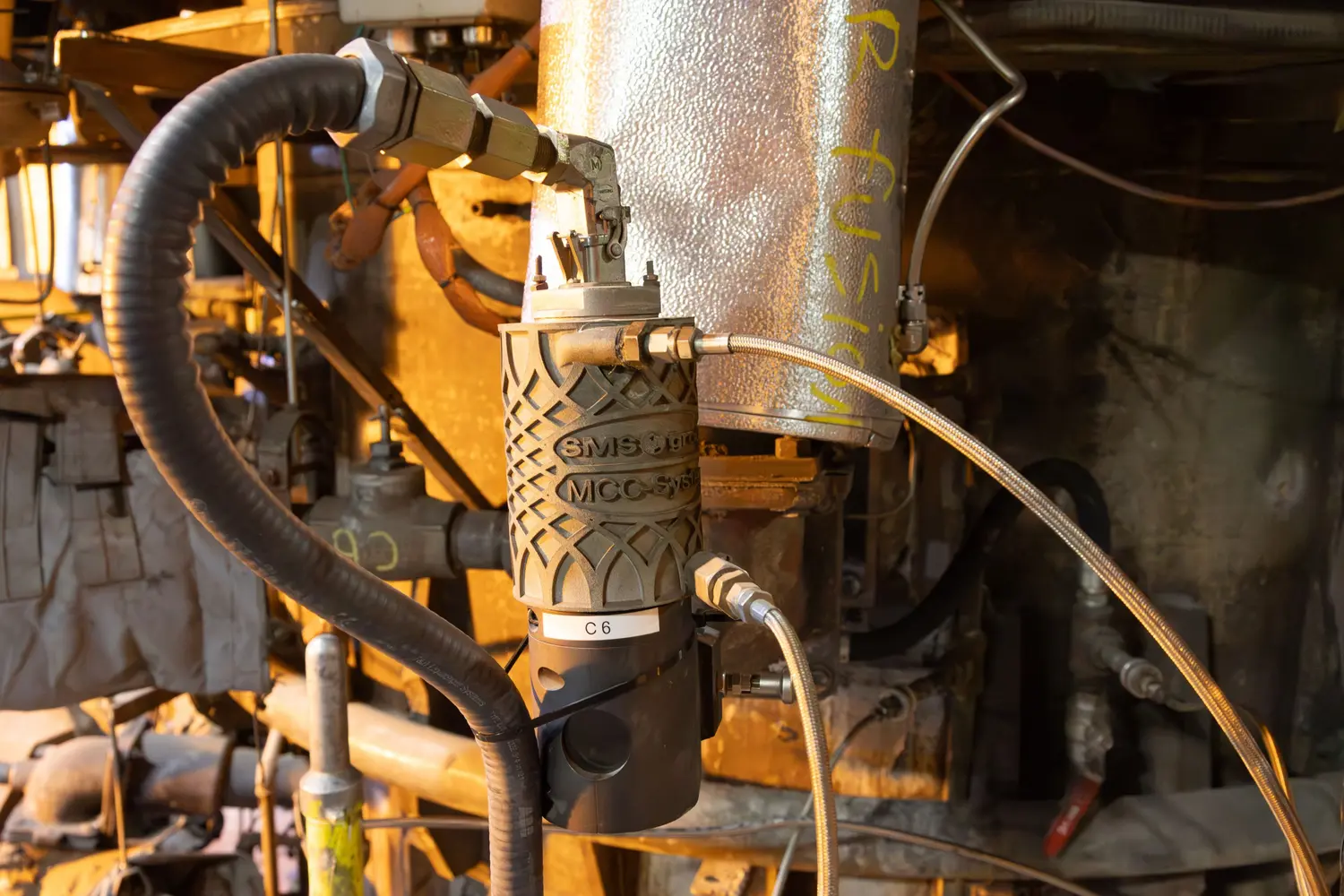
At the heart of the modern CONTIROD® melting process is the BB1000 gas burner, a high-efficiency solution engineered to meet the rigorous demands of shaft furnace operation. This improved system brings advanced functionality directly to the furnace floor, offering a nominal power range of 200 to 1,000 kW.
The BB1000 is characterized by a significantly improved flame pattern that features a full core flame and eliminates "cold spots". This stable pattern is achieved through the use of ceramic inserts and specially developed mixing nozzle technology, which ensures the air-gas mixture is fully integrated. The resulting strong flame impulse ensures effective heat transfer to the copper load
Operational safety and compliance are central to the BB1000 design. The system meets the requirements of DIN EN ISO 13577-2, which covers thermoprocessing equipment, including features such as direct burner startup via electrical ignition and continuous flame monitoring. Compliance with these standards is essential, as local authorities may withdraw operating permits for older burners that do not satisfy these requirements.
Furthermore, the burner is designed for maximum operation time. Maintenance costs are lower because the burner stone requires replacement less frequently. In the event of a copper accumulation or blockage, the ceramic parts can be broken to allow for a quick change.
Intelligent process control and monitoring
The final pillar of the CONTIROD® evolution is the integration of digital tools to monitor and control the furnace environment. To maintain peak thermal efficiency, the plant utilizes a dual-layered monitoring strategy to ensure the shaft remains at its optimal fill level.
- Optical intelligence: High-resolution cameras installed at the charging feed provide real-time evaluation of the fill level and identify the specific material being fed. This system offers immediate feedback, signaling exactly when refilling is required.
- Sensor redundancy: Complementing the cameras is a three-level sensor array installed directly into the furnace. These sensors provide a physical verification of the cathode column. When levels drop, the refilling process can be initiated, protecting the refractory lining and ensuring consistent energy efficiency.
- Integrated burner monitoring: In addition to direct visual monitoring through the viewing glass our gas burner can be optionally equipped with a monitoring camera for enhanced digital oversight, enabling operators to detect anomalies early and respond promptly to prevent burner damage.
Looking forward, SMS group is developing AI-supported data evaluation to transform these monitoring inputs into predictive insights. Future expansions will allow the system to detect anomalies automatically and provide troubleshooting recommendations to the operator, further reducing downtime and moving the plant toward a more autonomous operational model.
The hydrogen horizon: The H4Cu project
Looking toward carbon-neutral production, SMS group is advancing the transition to sustainable energy in the manufacture of semi-finished copper products through the research project H4Cu ("Substitution of natural gas with hydrogen in the production of semi-finished copper products"). In cooperation with key industrial and academic partners, the project investigates replacing natural gas with hydrogen, which does not produce CO2 emissions during combustion.
The primary objective is to determine the maximum permissible hydrogen content in the fuel gas for copper melting technology without any loss of product quality of semi-finished copper. On the side of SMS, this includes the development of hydrogen-ready burners and adapting furnace periphery equipment to enable the use of hydrogen as a fuel. The project enables SMS to contribute to the development of environmentally friendly technologies and to help establish a new global industry standard.
A new standard for green metallurgy
The advancements in CONTIROD® technology represent a holistic approach to modern copper production. By combining it’s patented technologies - including furnace geometries, high-precision burner technology, and intelligent digital monitoring - SMS group provides a solution that addresses both economic and environmental challenges.
As the world’s hunger for copper continues to grow, these innovations ensure that producers can meet demand while significantly reducing gas consumption, minimizing downtime, and preparing for a future powered by hydrogen. For the industry, this is the path forward: a more resilient, efficient, and ultimately carbon-neutral copper production process.