With innovative solutions, SMS group addresses the challenges of transforming non-ferrous metal slags into valuable products while recovering energy, reducing dumping costs, and enhancing sustainability. Through advanced furnace designs and cutting-edge technologies, SMS group offers clients the opportunity to maximize the value of their byproducts and comply with environmental standards.
Main units for slag treatment are the electric slag settling and cleaning furnaces. Depending on the slag properties and volumes, rectangular or circular solutions can also be applied. Slags can also be treated with our basic rotary refiner, top blown converters and special drum type furnaces.
-
Submerged arc furnace (SAF)
Solutions for best non-ferrous metals and alloys production
Submerged arc furnaces excel in smelting ore concentrate, calcine, pre-reduced ores, and waste materials such as deposits, flue dust, slags, refractory breakout waste, and skulls. These units are highly versatile and tailored to specific input materials and product requirements.
Product portfolio:
- AC-based submerged arc furnaces (3- or 6-electrode systems; up to 140 MVA)
- Next-generation DC furnaces for niche processes (FeCr fines, TiO₂ slag, UG2, copper, PGM, recycling)
- Custom electric smelters for ferro-alloys, non-ferrous metals and specialty feedstocks
![]()
-
Basic rotary refiner (BRR)
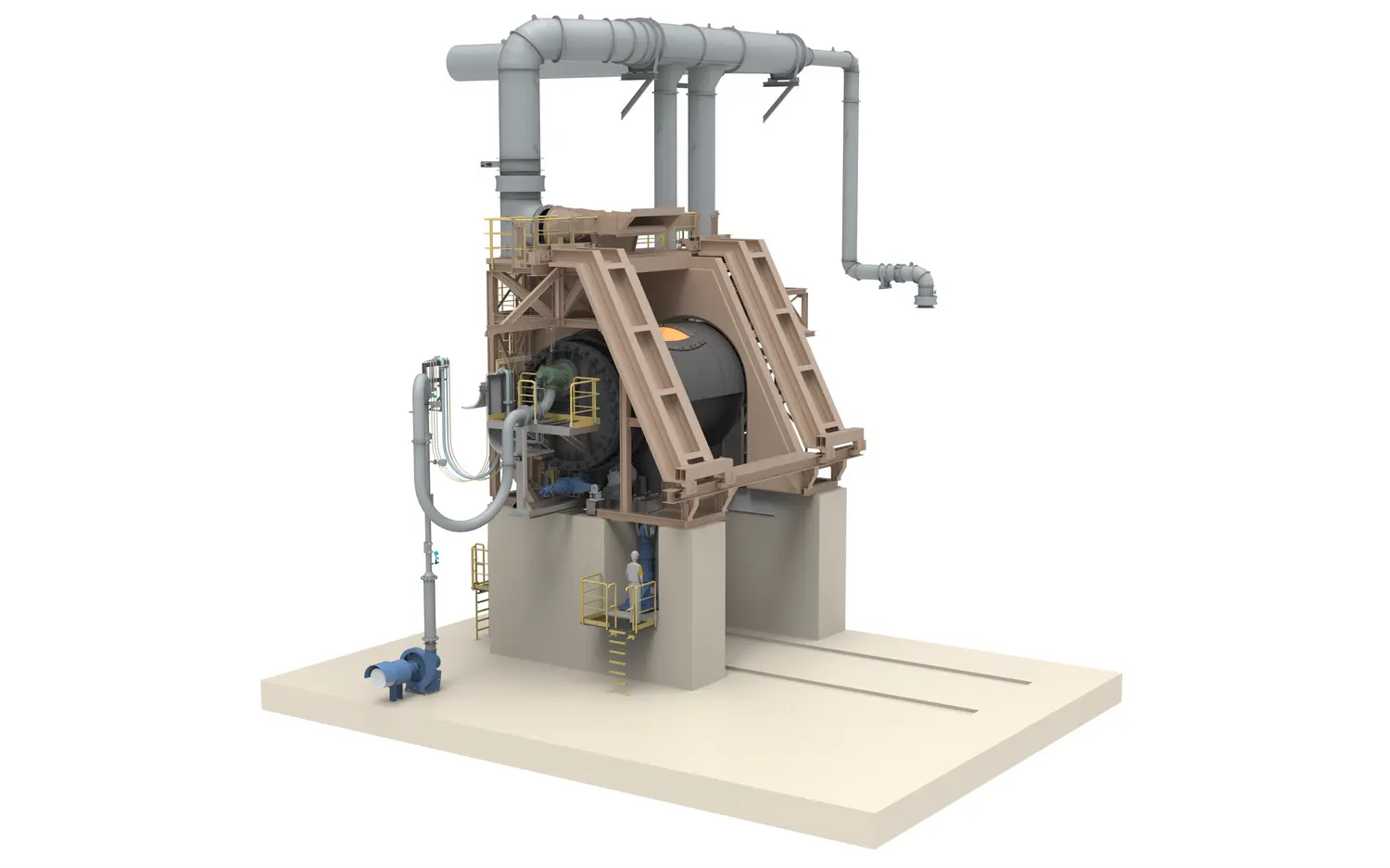
Melting and refining of slags in one flexible, compact unit
BRR stems from the widely spread TBR (top blown rotary converter), which is applied in many fields for different kinds of operation and process. While it keeps it´s core competences in the field of slag treatment, aluminum and copper recycling, the narrowed field of application allows a much simpler and compact build-up.
![]()
-
Slag granulation for non-ferrous metals
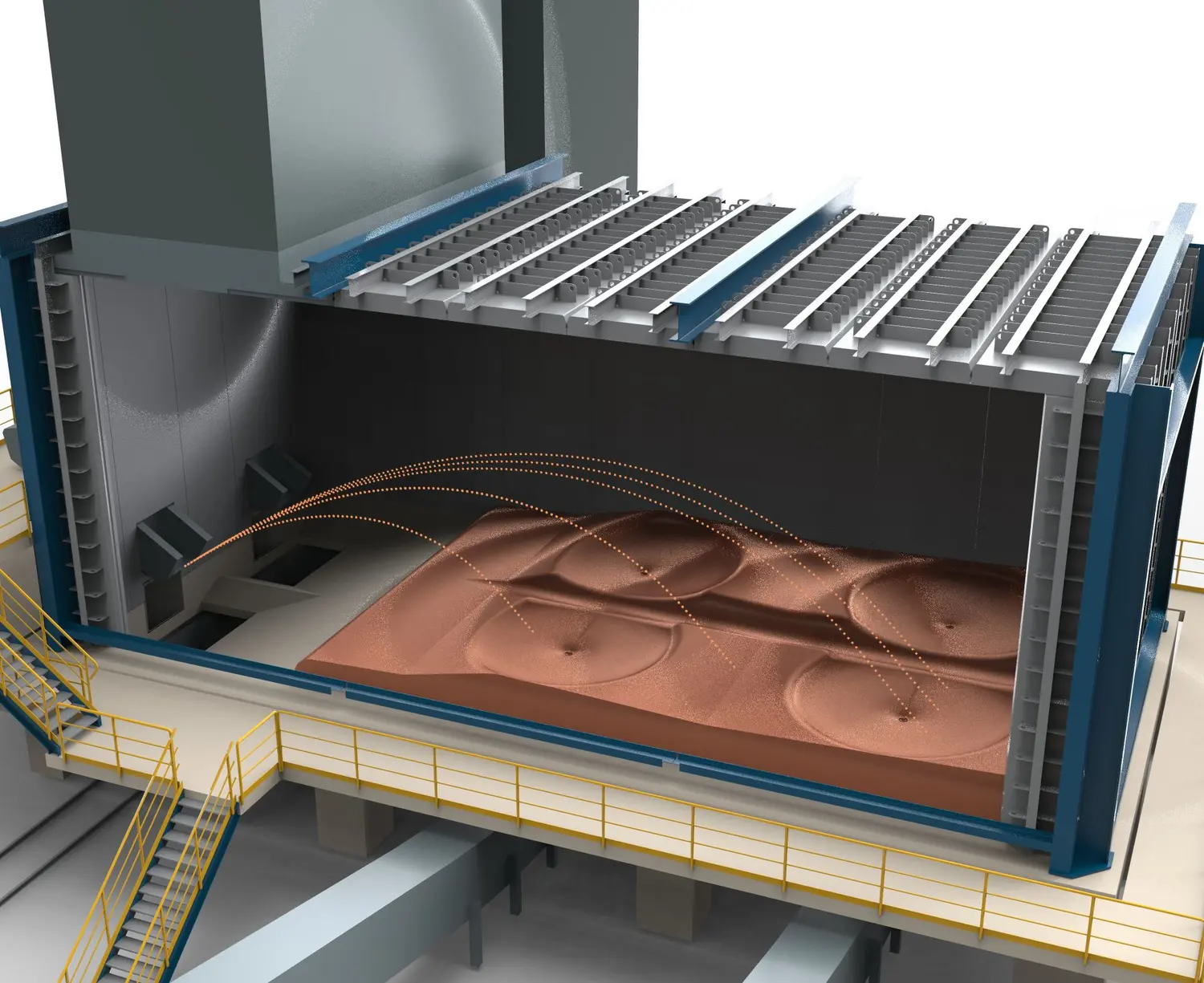
SMS group’s DrySlag/PowerSlag systems and Paul Wurth’s INBA® technology set new benchmarks in non-ferrous slag processing—delivering superior slag quality, energy recovery and turnkey granular-product handling.
![]()
-
Lead-tin alloy furnace
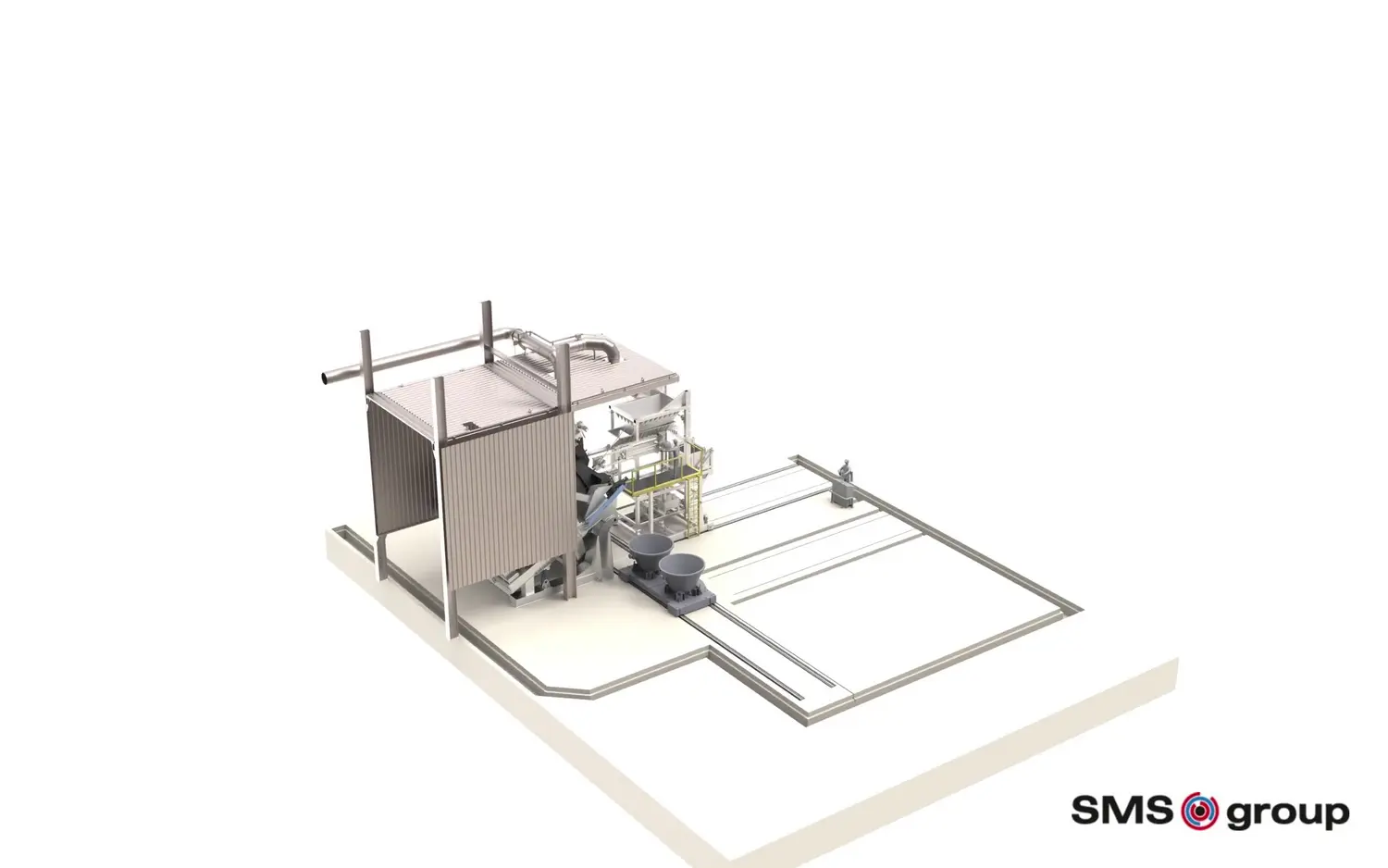
The Lead-Tin Alloying Furnace (LTAF) process is designed to recover lead and tin from the converting slags from the non-ferrous metals industry. The slag is usually transported in a ladle via crane to the LTAF. The slag is poured the LTAF furnace. Reverts can be added with a boat if necessary. For reduction, Fe-containing material is added to the LTAF. Porous plugs (with N2 gas) at the bottom of the furnace stirs the bath and enhances the reaction between slag and Fe phase. Other elements like Ni, Pb and Sn are partly reduced as well, forming a black copper phase with Ni, Pb and Sn impurities. The metal is tapped from LTAF into a ladle, which is placed under the furnace by ladle transfer car.
![]()
Benefits
- Recycling of lead tin rich slags
- Increasing lead tin content by efficient copper and nickel separation
- Part of holistic e-waste recycling process