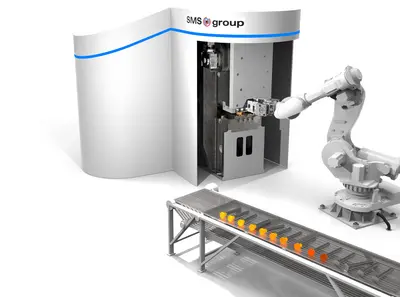
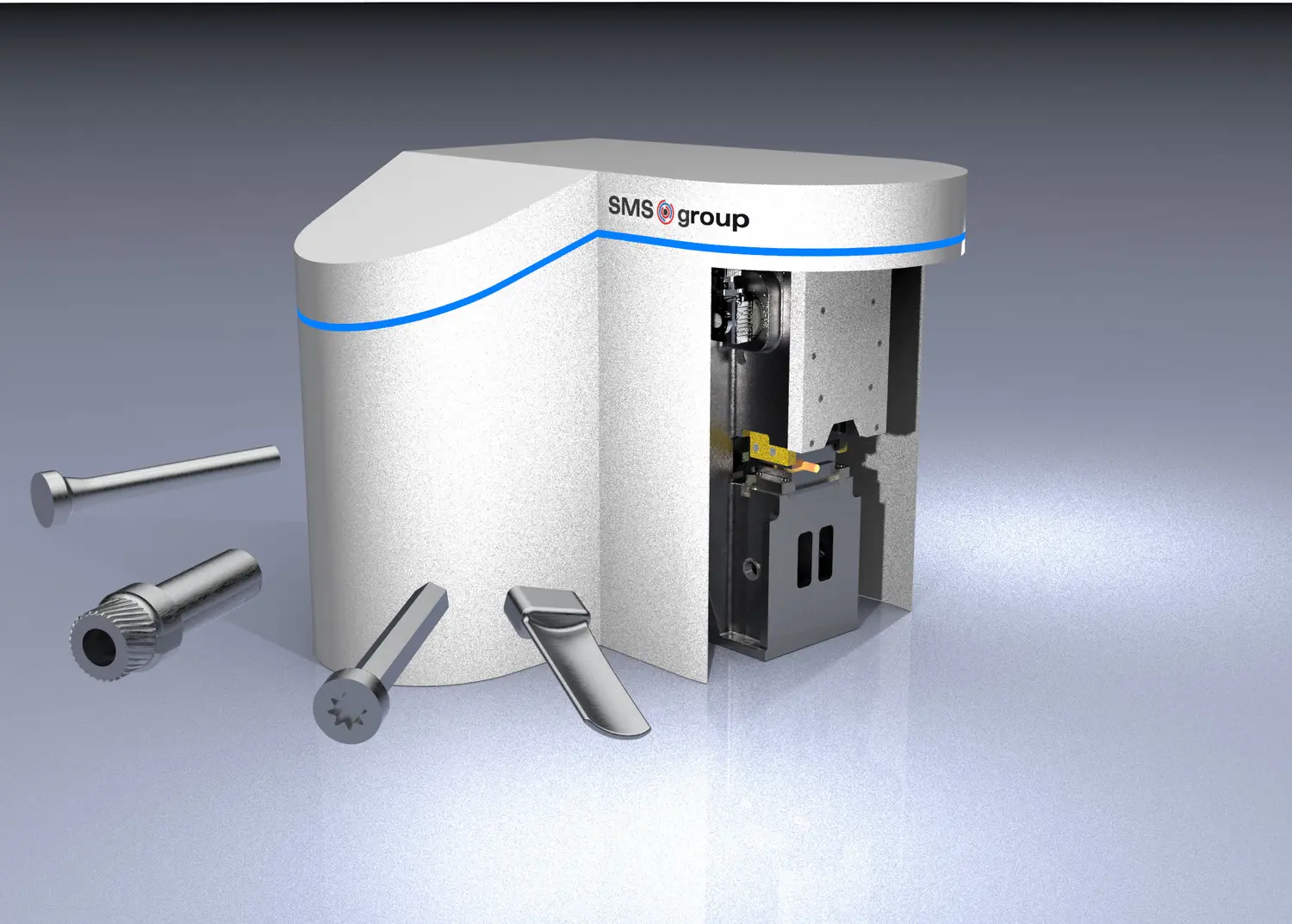
The forging industry is undergoing radical change. Higher energy prices, growing sustainability demands, and the transformation of the automotive industry are forcing companies to rethink their processes. Competitive pressure from global players with lower production costs is also rising. In this environment, one well-established technology is experiencing a renaissance: horizontal upsetting using the updated horizontal upsetting machine with horizontal clamping (WSHK) from SMS group.
“The continuous stream of inquiries from our customers and our more than 50 years of expertise in equipment service have shown us that this technology is more relevant today than ever,” explains Lukas Heyer, Product Manager at SMS group.
The process developed in the 1960s and 1970s combines two movements:
- Vertical clamping with a clamping carriage
- Horizontal upsetting with a sizing sled
This unique combination enables the production of complex geometries and undercuts, which is almost unfeasible with conventional forging processes.
Seven compelling advantages for modern forging processes
1. Proven technology meets intelligent innovation
The WSHK combines decades of experience in forming technology with state-of-the-art control and drive engineering. “We retained the well-established mechanical drive concept but brought it up to date with FEM-optimized machine frame, advanced control technology, and digital control solutions,” explains Martin Scholles, Sales Closed-Die Forging at SMS. This symbiosis of robustness and innovation guarantees maximum reliability and optimum performance.
Examples of key innovations include:
- FEM-optimized machine frame for greater stability
- Advanced control and sensor technology for more precise process management
- State-of-the-art digital control solutions
Vital enhancements in the mechanical drive concept include:
- High-speed flywheel with planetary gear
- Hydraulic overload protection for the clamping carriage
- Optional servo drives for maximum precision
2. Complex geometries now possible
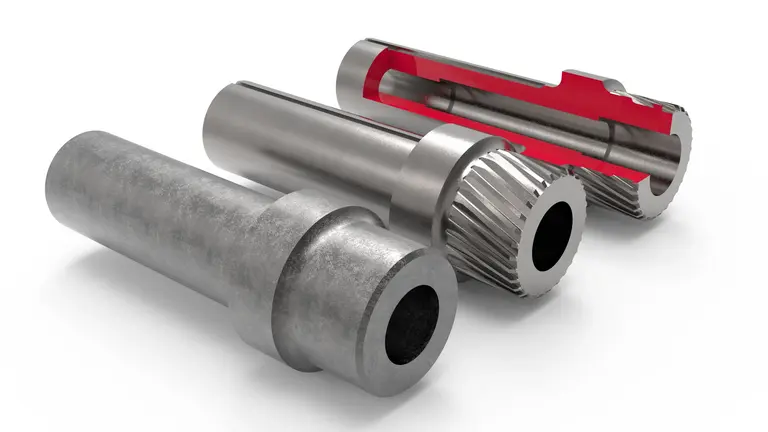
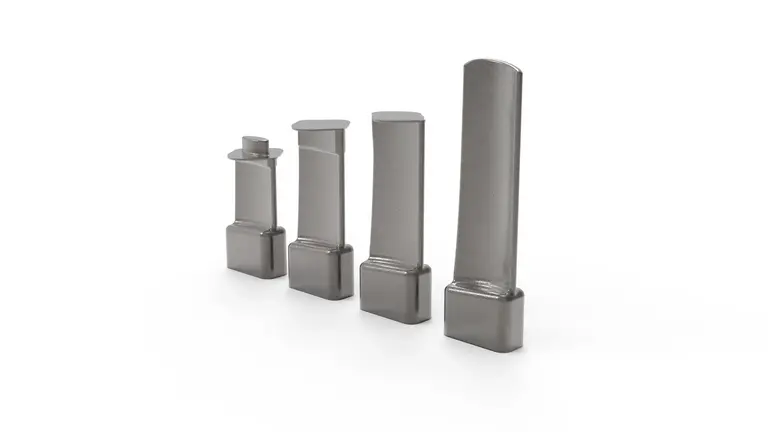
The WSHK’s unique three-part tool concept allows production of components with undercuts and demanding contours, that would be nearly impossible with other processes or would require considerable time and effort. This advantage is particularly evident with components in the electromobility sector, such as rotor hollow shafts, or compressor blades for the aerospace industry. The high locking forces ensure excellent surface quality and dimensional accuracy and also enable the clamping carriage to be used for forming.
3. Energy efficiency with flywheel technology
The mechanical drive concept with flywheel energy storage significantly reduces power consumption – a key advantage when it comes to rising energy costs and sustainability. Energy is extracted from the flywheel on demand, while the electric motor is only used for reloading.
4. Flexible range of materials from standard steel to superalloys
From conventional steels through aluminum to high-strength titanium and nickel-based alloys – the WSHK upsetting machine can handle almost all metallic materials without elaborate pre-treatment. Using standard bar material eliminates additional process steps and associated costs. “This advantage is particularly evident when processing expensive high-performance materials for the aviation industry,” explains Martin Scholles.
5. Separate process steps for maximum productivity
Separating the heating and forming process enables optimum process speeds to be achieved. “While heating is the decisive factor for integrated processes such as electrical upsetting, we can optimize both techniques independently with horizontal upsetting,” says Lukas Heyer. Modern induction heating achieves greater efficiency and shorter heating times than conductive methods.
6. Future-proof investment for growth markets
With the WSHK, forging companies gain access to promising markets. “Whether it’s rotor shafts for electric motors or compressor blades for engines — the WSHK is ideal for high-growth segments,” emphasizes Martin Scholles. The machine supports the cost-effective production of components that are essential for the mobility transition and other future technologies. Furthermore, state-of-the-art control technology enables the manufacture of alloys that are difficult to form.
The WSHK is proof that tried-and-trusted technologies can gain new relevance through intelligent further advancement.
7. Sustainability through optimum material utilization
Precision forming with the WSHK significantly reduces material losses. Near-net-shape forging minimizes machining allowances, delivering significant cost savings on expensive, high-performance materials. In addition, waste volumes and energy consumption levels are reduced — two game-changing factors for sustainable production.
Martin Scholles sums it up by adding that “the WSHK is proof that tried and trusted technologies can gain new relevance through intelligent further advancement.”
For companies aiming to compete globally and expand into new markets, the WSHK is more than just a machine, it is a strategic production partner that perfectly combines tradition and innovation.