Treasures to be recovered

Electronic waste (WEEE), batteries, and catalysts from the "urban mine" contain significant quantities of metals such as steel, aluminum, copper, and precious elements like gold, silver, and palladium. Despite their potential value, only a fraction is formally collected and recycled, with much ending in landfills, posing environmental and health risks. SMS group’s technology, including pyro- and hydrometallurgical solutions, addresses the complex metallurgical challenges of recycling WEEE, batteries or catalysts, ensuring high recovery rates and environmental soundness.

E-waste (WEEE) recycling

  • Leading the charge in efficient WEEE recycling

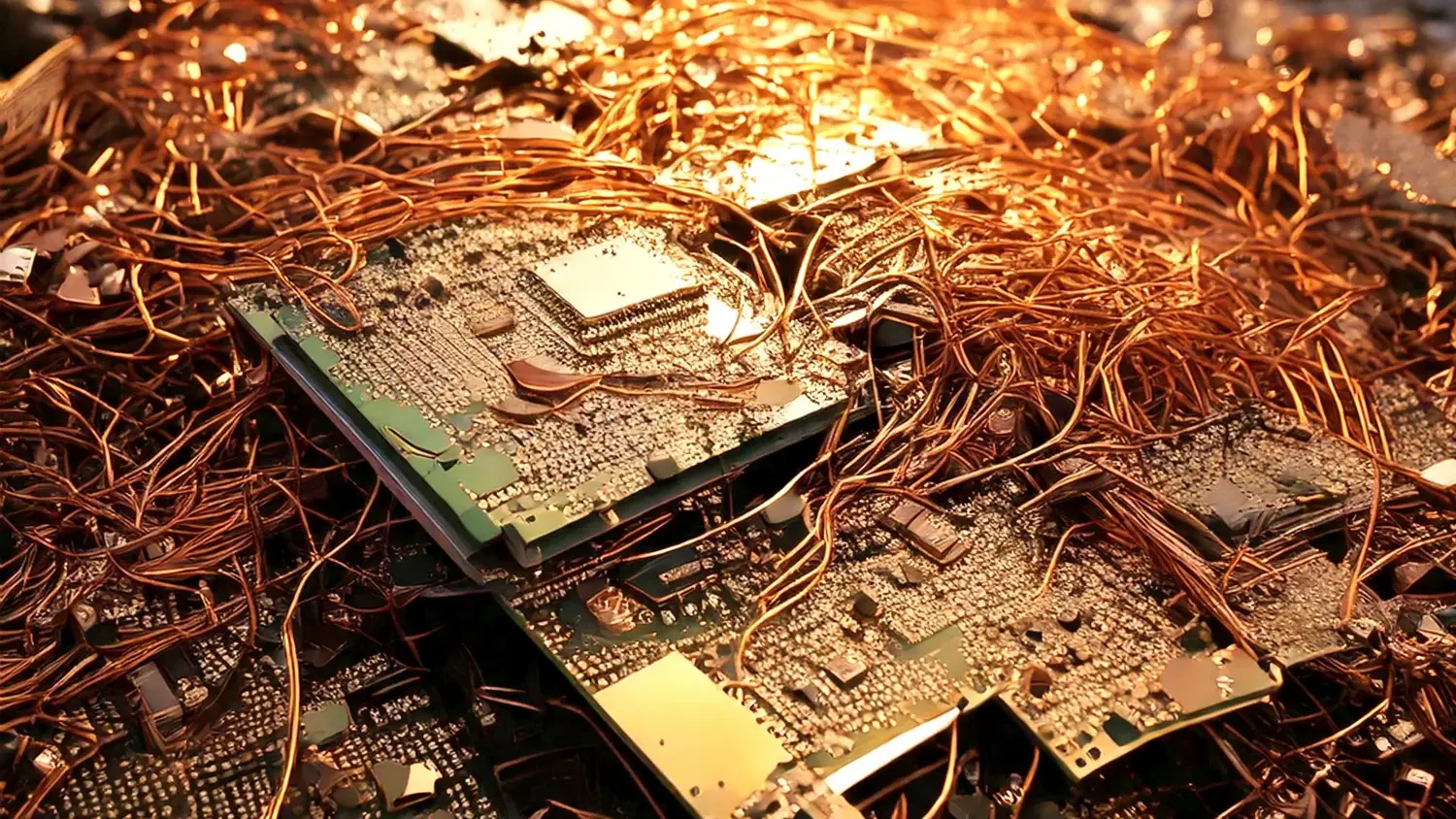
    Electronic waste or WEEE (waste of electronic and electrical equipment) is the post-consumption waste from consumer and business devices such as mobile phones, computers, screens, and household appli­ances. In 2022, the world generated 62 million tons of e-waste, an average of 7.8 kg per capita.

    The complexity of recycling WEEE stems from the diverse and functional combination of metals and other materials, such as plastics, ceramics, and organic compounds. More than 60% of WEEE consists of various metals, including ferrous metals, aluminum, copper, PGM (platinum group metals), magnesium, silver, antimony, and rare earth elements, to name just a few. Although WEEE contains only small quantities of these metals, recycling can be highly profitable due to the high market prices for certain rare technology metals. 

  • Top blown rotary converter (TBRC)

    Smelting, converting and refining various raw materials with high melting and refining efficiency in one flexible unit

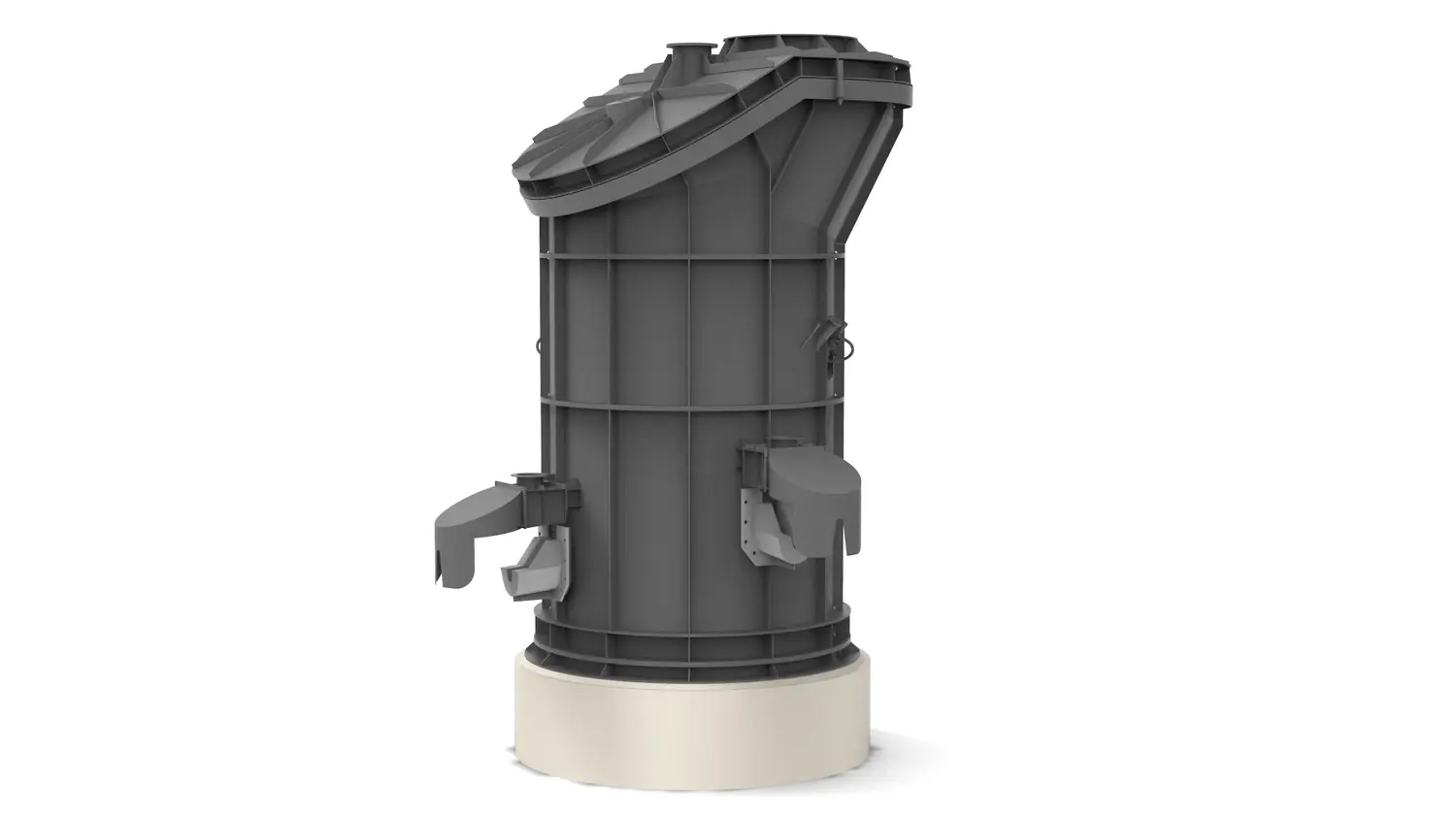
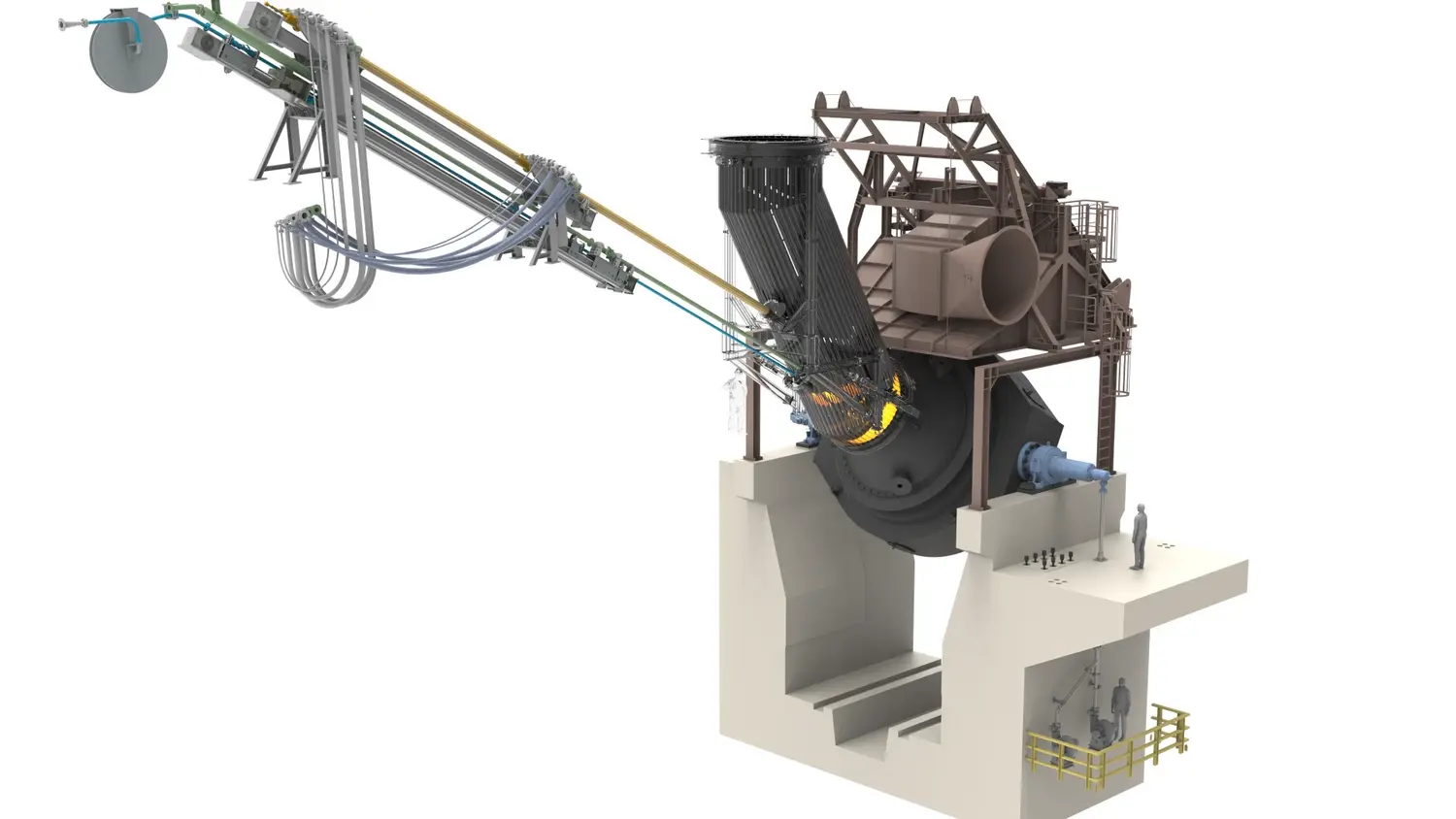
    The TBRC combines smelting, converting and refining functions into a single, versatile reactor. An optional slag-treatment configuration further enhances metal recovery and waste minimization.

  • BlueSmelter

    Innovative bath smelting technology

    SMS group has developed its own primary smelting technology, the so-called BlueSmelter. The BlueSmelter is an innovative bath smelting technology, which processes primary raw materials for nonferrous metals production, such as copper concentrate and other ores to produce zinc, lead, tin, and other metals. The BlueSmelter was designed to process a wide range of copper and precious metals containing secondary raw materials, with a focus on low qualities and high organic content but with significant monetary value.

    Benefits

    • Broad feed flexibility: concentrates, oxides, slimes and organics-rich residues
    • Maximized metal yield and reduced slag losses
    • Proven pilot-scale performance and technical feasibility
    • Simplified maintenance and lower total cost of ownership
  • Injectors, burners and purging systems

    SMS group’s performance modules provide advanced solutions for injectors, burners, purging systems, and valves, aimed at boosting production and improving process control. The SIS Plus injector is versatile, facilitating accurate injection in steel and non-ferrous metal processes, and reducing natural gas consumption by up to 80%. It also serves as a burner, offering high efficiency in oxygen injection. The patented PROX burner allows for adjustable flame configurations and atmospheres, optimizing energy input in oxidizing and reducing environments. Purging systems enhance operations by reducing process time, preventing build-ups, and increasing vessel service life, particularly in anode furnaces and converters. These systems also improve slag management and lower fuel consumption. SMS group’s supersonic underbath injection system for Peirce Smith Converters is designed to prolong lining life in the tuyere zone and improve process efficiency. Simulation results show reduced refractory wear and better gas utilization, making it applicable to conventional converters without altering off-gas systems. 

SMS group email service

Our promise to you: this is not another newsletter!

We at SMS group respect your privacy and protect your personal data according to European GDPR. Learn more in our data protection notice.

Let's get in touch!

Use our contact form for questions, inquiries or personal contact.

Battery recycling

  • Full-liner solutions for battery recycling

    As the global demand for batteries surges, SMS group is leading the charge in developing advanced recycling solutions that cater to a diverse range of battery types, including lead-acid batteries, batteries based on nickel or lithium, as well as alkaline batteries and flow batteries. Choosing the best recycling process for batteries and accumulators depends greatly on the amount and on the chemical and physical properties of the input material, as well as the location. The pyrometallurgical process route is best combined with hydrometallurgical steps, separating the individual metals from a multiple metals regulus to produce high-quality battery precursor material.

    Pyrometallurgical technology such as the BlueSmelter, TBRC (top blown rotating converter), electric smelters, and the Kivcet furnace are typical melt production techniques. SMS group is also developing a solution that combines pyro- and hydrometallurgical steps for recycling complex metal-bearing materials, including lithium-ion batteries. The advantage of this new process route is that it offers more flexibility when processing rapidly changing battery chemistries.

  • Top blown rotary converter (TBRC)

    Smelting, converting and refining various raw materials with high melting and refining efficiency in one flexible unit

    The TBRC combines smelting, converting and refining functions into a single, versatile reactor. An optional slag-treatment configuration further enhances metal recovery and waste minimization.

  • BlueSmelter

    Innovative bath smelting technology

    SMS group has developed its own primary smelting technology, the so-called BlueSmelter. The BlueSmelter is an innovative bath smelting technology, which processes primary raw materials for nonferrous metals production, such as copper concentrate and other ores to produce zinc, lead, tin, and other metals. The BlueSmelter was designed to process a wide range of copper and precious metals containing secondary raw materials, with a focus on low qualities and high organic content but with significant monetary value.

    Benefits

    • Broad feed flexibility: concentrates, oxides, slimes and organics-rich residues
    • Maximized metal yield and reduced slag losses
    • Proven pilot-scale performance and technical feasibility
    • Simplified maintenance and lower total cost of ownership
  • Submerged arc furnace (SAF)

    Solutions for best non-ferrous metals and alloys production

    Submerged arc furnaces excel in smelting ore concentrate, calcine, pre-reduced ores, and waste materials such as deposits, flue dust, slags, refractory breakout waste, and skulls. These units are highly versatile and tailored to specific input materials and product requirements.

    Product portfolio:

    • AC-based submerged arc furnaces (3- or 6-electrode systems; up to 140 MVA)
    • Next-generation DC furnaces for niche processes (FeCr fines, TiO₂ slag, UG2, copper, PGM, recycling)
    • Custom electric smelters for ferro-alloys, non-ferrous metals and specialty feedstocks
       

Primobius: Hydrometallurgical recycling of Lithium-ion batteries

Primobius, a JV between SMS group and Neometals Ltd., has developed a sustainable two-stage recycling process for lithium-ion batteries. This innovative approach combines mechanical separation with hydrometallurgical techniques to achieve recovery rates of up to 90%. This method not only complies with international battery regulations but also emphasizes health and safety.

Recycling of catalysts

  • Recovering precious metals with our BlueCat process

    Catalysts contain valuable metal components, which can be recycled in our BlueCAT process. The shredded catalysts are fed together with reducing agents, collecting metals and fluxes into an electric smelter and are converted to slag and a PGM containing metal bullion. The produced slag is further treated in a second electric furnace, which produce a sellable slag and a metal bullion. The metal bullion from both electric furnaces is then charged to a TBRC, where it is refined to a metal bullion containing more than 40 % PGM. This PGM rich metal alloy can then be processed in a hydrometallurgical treatment plant.

  • Leaching process

    The reserves of most high-grade ores are finite, and their future availability is critical. It is becoming of increasing importance and economic interest to be able to extract these metals from low-grade ores and secondary sources using tailored, bespoke processing routes – often representing combinations of mechanical, pyro-, and hydrometallurgical processes.

    SMS group Process Technologies in Vienna/Austria develops advanced processes and plants for the extractive metallurgy of technology and battery metals, for the production of battery-grade chemicals and pigments, and for the recycling of waste batteries and WEEE. New processes and flow sheets are tested and verified in the company’s own laboratory and piloting facilities.

Services for this plant

Filter options

Sorry, there are no results for the search term.

Insights on this plant

Show all
Let's get in touch!