How can steel producers adapt their rolling mills to growing market demands without lengthy production interruptions? What technologies enable the production of wider strips, improved surface quality, a broader high-strength steel portfolio – and greater efficiency at the same time? We delivered answers to these questions through the successful modernization of Tata Steel Europe’s tandem cold mill.
The tandem mill upgrade at Tata Steel Europe in IJmuiden (Netherlands) is an impressive example of how existing production facilities can be brought up to the latest technological standards with minimal downtime. Instead of erecting a new rolling mill, Tata Steel opted for the transformation of its existing mill, in operation since 1971 – achieving maximum gains in terms of efficiency, product quality, and competitiveness. The key to the successful outcome was precise planning and gradual implementation. Dividing the revamp project into three clearly defined phases allowed production to continue for the most part.
The goal of the comprehensive upgrade of the five-stand tandem cold mill was to convert batch operation into a high-productivity continuous process. As a result, annual capacity increased to 1.9 million tons. Off-gauge lengths were also reduced, and strip surface quality enhanced significantly. Yet the real success lies in the way this transformation was achieved.
“Our customers expect a broader product mix, higher process stability and more sustainable production processes – all at the same time. The switch to continuous rolling was crucial to meeting these requirements and minimizing downtime,” says Ralf Schlote, Engineering Manager at SMS group.
Integration test: digital commissioning with added value
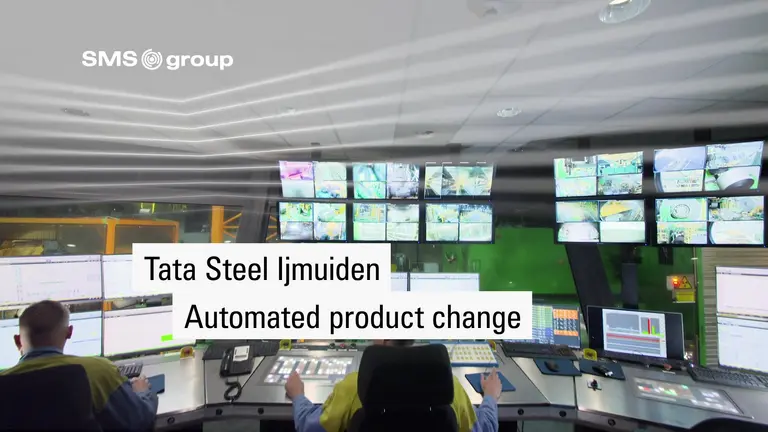
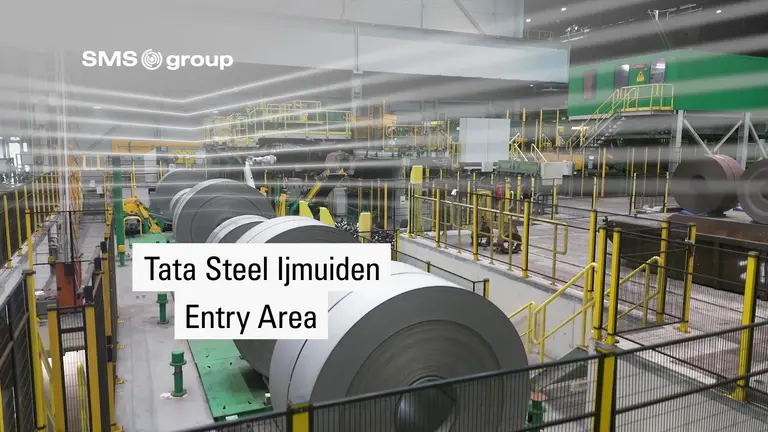
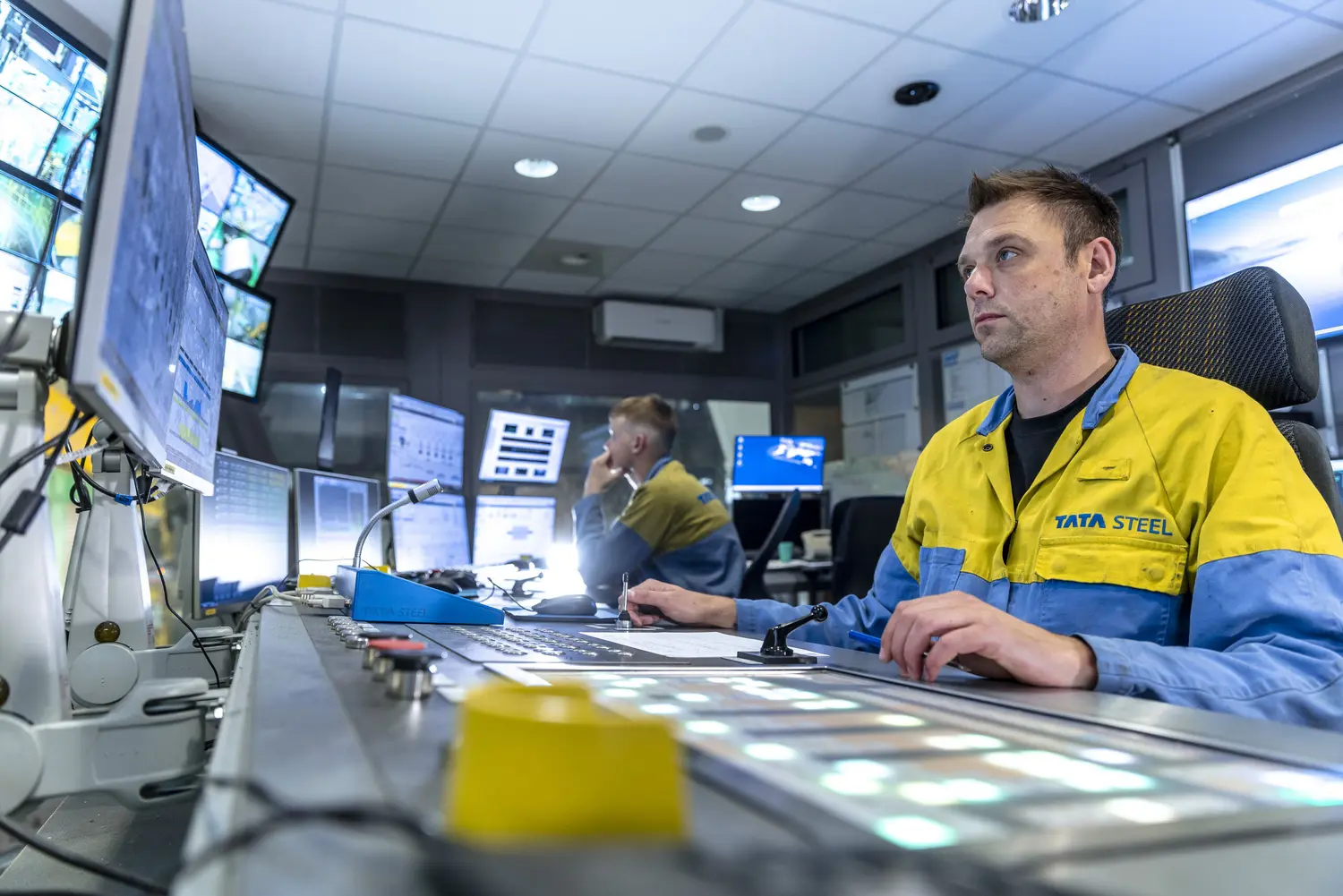
A vital factor in the project’s success was the early and detailed definition of the modernization concept, based on realistic, real-time 3D plant simulations and X-Pact® Plug & Work integration testing of the automation systems. The plant and automation software were fully tested using a digital twin at SMS group’s test facility in Mönchengladbach. The simulation covered the entire material flow – from the entry section through the continuous rolling mill to the coiling station and subsequent coil transport systems. Control systems were tested and optimized early in the process. This also allowed operating and maintenance crews to be trained by SMS group staff on the original control desks. As a result, the integration of the new systems was seamless, and the commissioning period significantly shorter.
Careful preparations for the upgrade were also made for the mechanical equipment. In the exit section, two new coil transfer cars and a tilting device, including the associated automation system, were installed to ensure continuous material flow during the revamp.
First shutdown: laying the foundation for the upgrade
The goal of the first shutdown was to create a stable foundation for the next upgrade phases without extended production interruptions. In the exit section, a coil walking beam conveyor was removed to make room for the new exit equipment. In preparation for the second shutdown, the five mill stands were machined and the ancillary equipment was upgraded to a new automation level. These measures were essential to enable fully continuous operation in the future. In addition, new high-voltage transformers were installed to align the power supply with the increased capacity utilization in subsequent phases.
Ralf Schlote: “The first stage of the evamp was crucial to the success of the entire project. We established the structural and technological conditions necessary to implement the next steps in converting the tandem cold mill to continuous operation.”
Transformation during ongoing production
In the next project phase, key technologies were implemented to enable continuous material guidance and a more efficient rolling process – all without interrupting production. The new entry end was installed and commissioned, including the X-Roll® laser welder, which joins individual coils to form endless strips for continuous rolling. A new horizontal strip accumulator was also installed to provide a consistent and continuous feed of strip into the tandem mill.
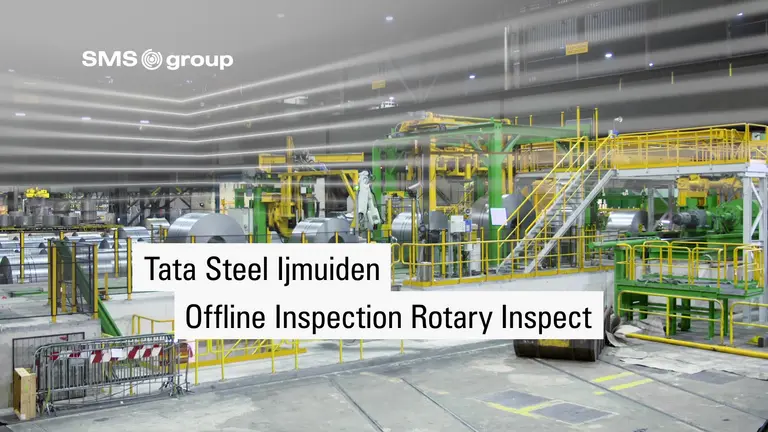
To minimize downtime in the final phase of the revamp, extensive cabling was laid and new cable trays were installed. At the exit end, the new carousel reel was also installed and commissioned. Additionally, the new rotary inspect offline inspection line was put into service, enabling quick and precise quality control of the rolled strips.

The final conversion
In the final phase, the transformation into a continuous mill was completed and the mill stands were comprehensively upgraded. The scope of work included:
- Installation of smaller work rolls and a CVC® plus roll-shifting system for perfect strip flatness.
- Integration of stepless wedge adjustment system for flexible passline control.
- Optimization of the work roll bending system for more precise strip thickness and flatness control.
- Installation of a high-precision X-Shape flatness measuring roll and control system to meet stringent flatness requirements.
- Implementation of a state-of-the-art multi-zone cooling system to guarantee target flatness in the final pass.
- Modernization of the drive train with new gear units and spindles to maintain the stable tensile forces required for high-strength steel production.
- Deployment of the X-Pact® process automation package to reduce off-gauge lengths by providing optimized rolling strategies across level 1 and level 2 systems, and by applying settings in real time during strip transitions.
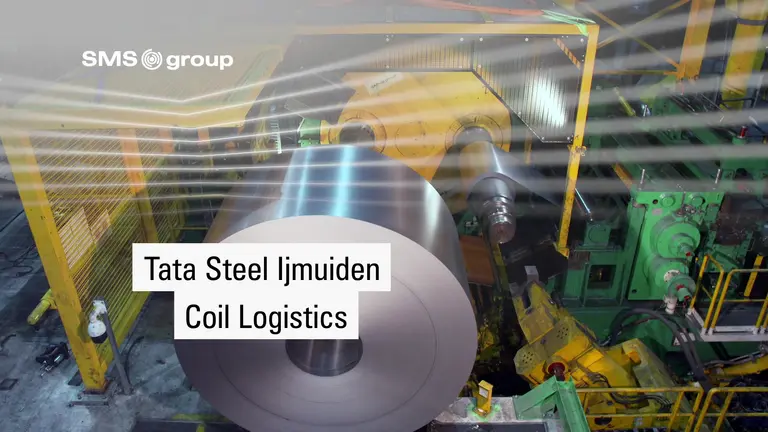
With the final integration of the carousel reel, a major innovation in the exit section became a reality. The new movable outboard bearing technology (traveling mandrel support bearing) ensures stable, tension-controlled winding of the strip, even with the highest-strength grades. In addition, the new continuous exit section was completed with automated coil transport systems.
“This project demonstrates that modernizing an existing facility is not only a cost-efficient alternative to building a new one, but can also deliver decisive technological advantages. Transforming a batch tandem mill into a continuous process is a complex challenge – but with the right planning and the right partners, it can become a model for success,” says Ralf Schlote, Engineering Manager for the modernization.