New sustainable cold rolling and strip processing complex in Luleå, Sweden
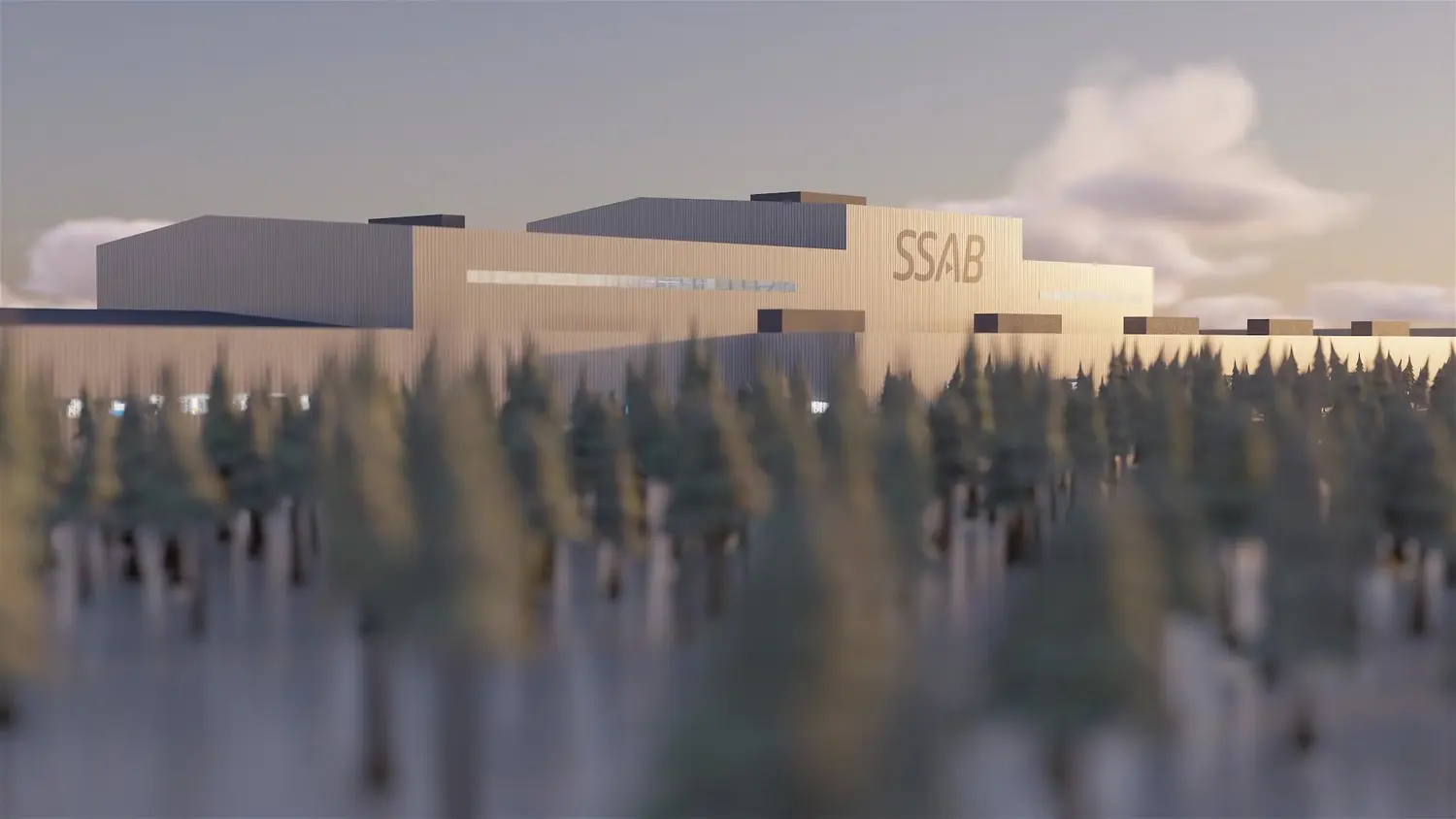
A new milestone in sustainable steel production begins: SSAB has commissioned SMS group to supply a pioneering cold rolling and strip processing complex in Luleå, Sweden. Designed for an annual capacity of approximately 1.3 million tons, the complex will produce third‑generation advanced high‑strength steels (AHSS), particularly serving the automotive sector. Beyond its role as a production facility, the project will demonstrate how electrification, hydrogen‑enabled plant technologies and intelligent digital control systems can be combined to enhance sustainable steel production and substantially reduce the carbon footprint of the production process.
This project underscores the trusted partnership between SSAB and SMS group. Together, we set new standards for sustainable steel production and technological innovations.
The project
SMS group will deliver an integrated cold‑rolling and strip‑processing complex for SSAB in Luleå. The plant covers the process chain from pickling and tandem cold rolling to continuous annealing and galvanizing, and includes an integrated recoiling and inspection section for final quality control. Auxiliary plants like an acid regeneration plant, a roll shop, coil logistics and water treatment systems are included to achieve highest product quality of SSAB’s specialty products. Designed for industrial‑scale production of third‑generation AHSS, the facility emphasizes process reliability, top‑level product quality and a reduction of the plant’s carbon footprint through fossil‑free technologies. SMS group’s automation and digital solutions, combined with a centralized data platform, will support efficient commissioning, seamless operation and improved plant performance.
Technology
The complex is designed to deliver high‑precision processing for third‑generation AHSS grades while emphasizing fossil‑free technologies across key process stages. Focusing on optimal strip quality and SSAB’s sustainability goals, the process begins with an advanced turbulence pickling line/ tandem cold mill based on SMS group’s CVC® plus 4‑high technology. This configuration provides the stiffness and contact conditions required to meet very tight thickness tolerances and to cope with the high specific rolling forces of modern 3rd‑generation alloys.
The complex further includes both a continuous galvanizing line and a combined continuous annealing and galvanizing line, each equipped with electrically powered Drever furnaces that combine induction heating and electrically powered radiant tubes to enable precise thermal control while minimizing fossil energy use. An integrated recoiling and inspection line ensures continuous coil flow and final quality verification. Auxiliary systems — including an advanced acid regeneration unit that enables the recycling of pickling acid, a dedicated roll shop for roll maintenance and reconditioning, and a comprehensive water‑treatment plant — support sustainable operation by reducing chemical waste, lowering emissions and enabling reuse of process water within the production cycle. Further technical descriptions and detailed equipment specifications are provided in subsequent sections.
Solutions included in this project
The new cold rolling complex for SSAB will be equipped with fully integrated automation and digital solution packages, designed to maximize plant efficiency and product quality as well as streamline material flows and logistics. The scope comprises the complete electrical and automation systems, including X‑Pact® Level‑1 and Level‑2 automation, comprehensive power distribution (transformers and sub‑distribution, and switch-mode rectifiers X-Pact® High Current), and a complete drive‑systems package featuring X‑Pact® Torque Drives. Further highlights are technological measuring devices and smart sensors, supported by AI‑assisted process models, condition monitoring and the SMS DataFactory as a centralized data platform for predictive maintenance and process optimization.
These solutions will further optimize process performance and enable predictive, data‑driven operations that reduce downtime. Detailed descriptions for the automation and digital solutions are listed in the respective service modules.